A root canal has a scary reputation, but the procedure itself is what relieves the pain – not what causes it. Here’s what the treatment actually involves and how to know if you might need one.
What a Root Canal Treats
Inside every tooth is a soft tissue called pulp, containing nerves and blood vessels. When decay, a crack, or repeated dental work lets bacteria reach the pulp, it can become infected or inflamed. A root canal removes that damaged tissue, cleans the inside of the tooth, and seals it – saving the tooth instead of removing it.

Signs Worth Getting Checked
- Sharp pain when biting down or chewing
- Lingering sensitivity to hot or cold, even after the stimulus is gone
- Swelling or tenderness in the gums near one tooth
- A tooth that has darkened compared to the ones next to it
- A small pimple-like bump on the gum that keeps coming back
What Happens During Treatment
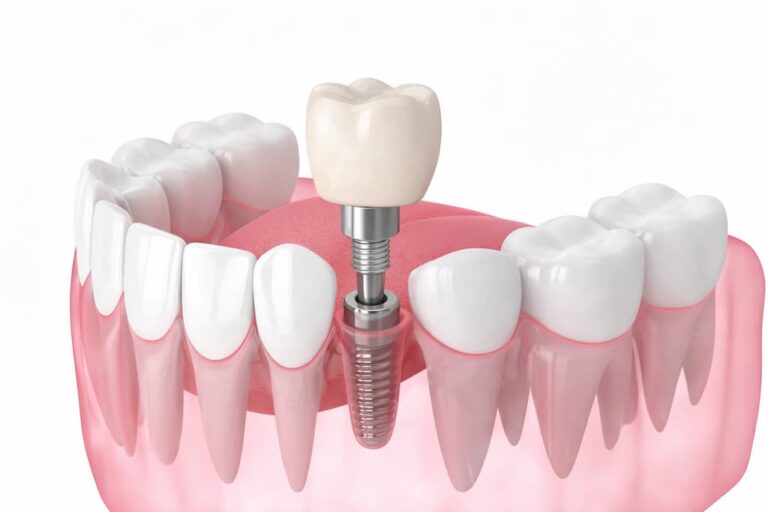
The area is numbed first, so the procedure itself is generally no more uncomfortable than getting a filling. Your dentist removes the infected pulp, cleans and shapes the inside of the root canals, then fills and seals the space. Many teeth need a crown afterward to protect it, since a root-canal-treated tooth can become more brittle over time.
Root Canal vs. Extraction
Keeping your natural tooth when possible usually means better long-term chewing function and less need for a bridge or implant later. Your dentist will only recommend extraction if the tooth’s structure is too damaged to save.



Book a Consultation
Tooth pain rarely gets better on its own. If any of the signs above sound familiar, Prime Dental Clinic can assess the tooth and explain your options clearly before any treatment begins.